
Content:
- 1 Understanding the Total Cost to Open a Restaurant Franchise
- 2 Key Components That Make Up Restaurant Franchise Costs
- 3 Why Restaurant Franchise Costs Vary by Concept
- 4 Comparing Cost Ranges Across Restaurant Franchise Types
- 5 How Huddle House Approaches Franchise Investment
- 6 Next Steps: Evaluating Restaurant Franchise Costs the Right Way
- 7 Final Thoughts
Restaurant franchise cost is one of the most important considerations when entrepreneurs decide on their path. Franchising offers a proven business model and brand support, but the total cost to open a franchised location can vary based on concept, location, and operational complexity.
If you’ve considered franchise ownership, this guide is for you: a clear, comprehensive breakdown of common restaurant franchise costs and why the pricing can differ. We’ll also highlight how Huddle House approaches franchise investment and support.
Understanding the Total Cost to Open a Restaurant Franchise
When people ask questions like, “How much does a restaurant franchise cost?” the answer goes far beyond just the initial franchise fee. Restaurant franchise costs include a range of initial and ongoing expenses that add up.
These costs typically include initial licensing fees, real estate and construction, equipment, initial inventory, staffing, and working capital. A careful review of each individual component can help prospective franchisees understand where their investment goes and how to plan effectively.
Key Components That Make Up Restaurant Franchise Costs
To compare concepts effectively, it makes sense to break down the cost to open a restaurant franchise into different categories:
Franchise Fees and Initial Licensing Costs
The franchise fee is typically one of the first costs associated with franchise ownership. This one-time fee grants the franchisee the right to operate under the brand name and access proprietary systems, training, and support.
Franchise fees vary by brand and are typically disclosed in a mandatory document called the Franchise Disclosure Document. Many brands — including Huddle House — may share their franchise fee outside that document. Huddle House’s franchise fee is $35,000 and is wrapped inside the initial investment.
Real Estate, Build-Out, and Site Development
Another significant contributor to franchise cost is real estate. Location, square footage, local construction costs, and zoning requirements all influence total investment.
Within the real estate development costs, build-out expenses like construction and remodeling or signage — including brand design compliance — also play a role. Many franchisors can assist with site selection and development guidance to help you as a franchisee navigate this process.
Equipment, Fixtures, and Technology
Restaurant equipment and fixtures play a role in franchise startup expenses, too. This category, which includes operational needs like kitchen equipment and point-of-sale systems and the basics of seating, decor, and signing, can add up quickly. Technology plays an increasingly important role, from ordering systems to inventory management. Franchisors often provide specifications to ensure consistency across locations.
Initial Inventory, Staffing, and Working Capital
Beyond physical setup, franchisees must account for initial inventory, hiring and training staff, and maintaining sufficient working capital. Working capital helps cover early operating expenses such as payroll, utilities, and supplies as the restaurant builds customer traffic.
This financial cushion is critical during the early months of operation and should be planned carefully as part of the total restaurant franchise cost.
Why Restaurant Franchise Costs Vary by Concept
Restaurant franchise costs vary so much because different concepts have different operational requirements. Quick-service concepts and fast-casual franchise have unique needs compared to full-service dining.
Menu complexity, staffing needs, kitchen equipment, and service style all play a role in startup investments. Full-service restaurants may require a larger footprint and more staff than a streamlined storefront. Knowing which model of restaurant franchise to invest in largely depends on your comfort level and the available real estate in your area.
Comparing Cost Ranges Across Restaurant Franchise Types
While exact figures vary by brand and market, restaurant franchise costs generally fall within broad ranges depending on the type of concept. Smaller-format or streamlined concepts may require lower total investment, while larger, full-service restaurants typically involve higher startup costs.
Understanding these general differences helps entrepreneurs narrow their search to franchise opportunities that align with their budget and long-term goals. Evaluating cost structure alongside support, brand recognition, and market demand provides a more complete picture than cost alone.
How Huddle House Approaches Franchise Investment
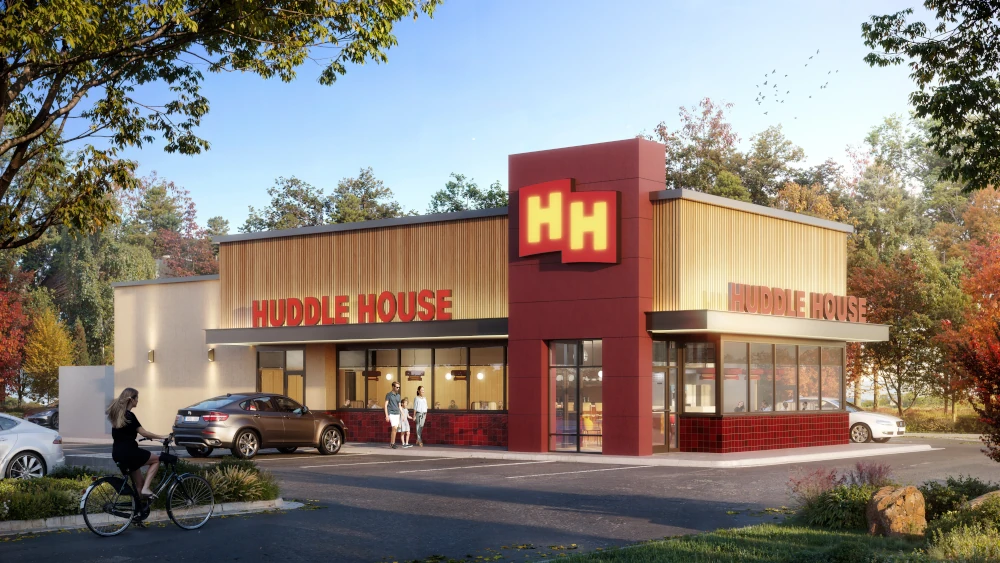
Huddle House offers a well-defined approach to franchise investment designed to support owners throughout the development and operating process. With decades of brand experience, Huddle House provides structured training, operational guidance, and ongoing collaboration to help franchisees navigate restaurant ownership.
The brand’s flexible restaurant formats allow franchisees to explore opportunities in a variety of markets, helping manage development considerations while maintaining brand consistency.
Next Steps: Evaluating Restaurant Franchise Costs the Right Way
Before committing to any franchise, it’s essential to review the Franchise Disclosure Document carefully and consult with legal and financial professionals. This process helps ensure you understand all components of restaurant franchise cost and how they align with your goals.
Taking time to ask questions, compare concepts, and evaluate long-term fit can lead to more confident decision-making.
Final Thoughts
Restaurant franchise cost is a combination of fees, development expenses, and operational planning. By understanding what drives these costs and how they vary across concepts, entrepreneurs can make informed decisions about franchise ownership.
With a transparent investment structure and comprehensive support, Huddle House offers an opportunity worth exploring for those considering restaurant franchising. Learn more by reaching out today.